What Is Puppy Preschool? Benefits & What to Expect
PetSuites Daycare

Bringing home a new puppy is exciting, but it can also be overwhelming. Between potty training, socialization, chewing, crate training, and learning basic manners, puppies have a lot to learn in a short period of time. Many pet parents also find that structured enrichment activities help support their puppy's development both at home and in a Puppy Preschool setting. That's where Puppy Preschool can help!
Designed specifically for puppies during their most important developmental months, Puppy Preschool provides a safe, structured environment where young dogs can build confidence, learn essential life skills, and practice positive interactions with people and other puppies.
Whether you're a first-time puppy parent or adding a new furry family member to your home, understanding how Puppy Preschool works can help set your puppy up for long-term success.
What Is Puppy Preschool?
Puppy Preschool is a structured program designed for puppies typically between 3 and 6 months of age. During this stage, puppies are experiencing rapid physical, emotional, and behavioral development.
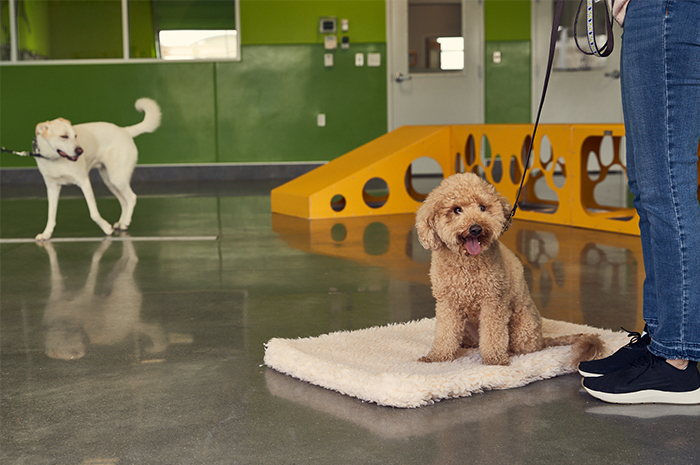
The goal of Puppy Preschool is to provide positive experiences that help puppies learn:
Appropriate social skills
Basic manners
Confidence in new environments
Problem-solving abilities
Healthy daily routines
Independence and crate comfort
Unlike traditional obedience training that focuses primarily on commands, Puppy Preschool emphasizes socialization, confidence-building, and foundational life skills that can influence your dog's behavior for years to come.
Why Is Early Puppy Socialization So Important?
Many veterinarians and dog behavior experts consider socialization one of the most important aspects of raising a puppy.
According to the American Veterinary Society of Animal Behavior (AVSAB), the first three months of a puppy's life are the most important period for socialization, and positive exposure to people, animals, environments, and new experiences during this time can help shape future behavior and confidence.

During the first few months of life, puppies are learning how to interpret the world around them. Positive experiences during this period help them become more comfortable with:
New people
Other dogs
Different sounds
New environments
Various surfaces and objects
Everyday situations
Without enough positive exposure, puppies may be more likely to develop fear, anxiety, or uncertainty as they grow older.
What Do Puppies Learn in Puppy Preschool?
A quality Puppy Preschool program focuses on more than just playtime. Social Skills and Puppy Etiquette Puppies learn how to interact appropriately with other dogs through supervised play sessions. These interactions help puppies practice:
Reading canine body language
Taking turns during play
Appropriate greetings
Bite inhibition
Building positive relationships with other dogs
The American Veterinary Medical Association (AVMA) notes that socialization helps dogs become more comfortable with other animals, people, places, and activities, helping them navigate everyday situations with greater confidence.
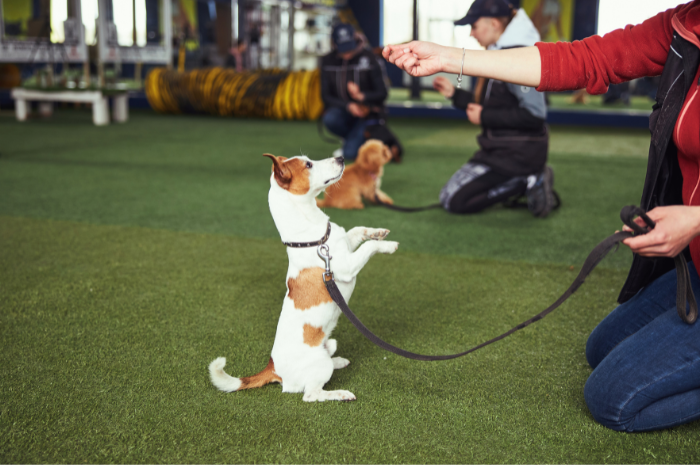
Confidence Building
Everything is new for a young puppy. By safely exposing puppies to different experiences, sounds, people, and environments, Puppy Preschool helps build confidence and resilience. Research and veterinary experts have found that early socialization and exposure to new experiences can help puppies develop into more confident, secure, and predictable adult dogs. Confident puppies are often better equipped to handle new situations throughout their lives.
Crate Training Foundations
Crate training can help puppies learn independence while creating a safe space they can relax in. A Puppy Preschool program may reinforce crate comfort through structured rest periods and positive associations.
Potty Training Support
Consistency is a major part of successful potty training. Regular potty breaks, outdoor walks, and routine schedules can help reinforce healthy bathroom habits while supporting what you're teaching at home.
Problem-Solving and Mental Enrichment
Puppies are naturally curious learners. Interactive games, enrichment activities, and puzzle toys help challenge their minds and teach them how to work through new situations independently. Mental enrichment is an important part of puppy development and can help reduce boredom while encouraging healthy learning behaviors.
Benefits of Puppy Preschool
Improved Socialization
One of the biggest benefits of Puppy Preschool is giving puppies opportunities to interact with other dogs and people in a controlled setting. These positive experiences can help create a strong foundation for future social interactions.
Increased Confidence
New experiences become less intimidating when puppies encounter them gradually and positively. Puppies who build confidence early are often better prepared to navigate life's new experiences as they grow.

Better Manners at Home
Foundational skills learned during Puppy Preschool can support:
Polite greetings
Reduced jumping
Better impulse control
Improved focus
More predictable routines
Mental and Physical Stimulation
A well-balanced day includes both exercise and mental enrichment. Structured play, problem-solving activities, and supervised interactions help meet both needs.
Support for Busy Pet Parents
Many puppy parents work full-time or have busy schedules. While everyone wants to provide the best possible start for their puppy, finding enough time each day for socialization, training, exercise, and supervision can be challenging.
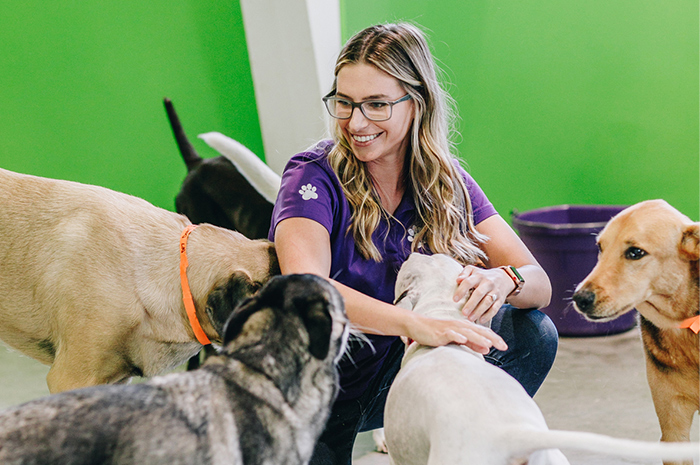
Puppy Preschool helps fill that gap by providing:
Supervised socialization
Consistent routines
Structured enrichment
Frequent potty breaks
Professional care throughout the day
For many families, Puppy Preschool serves as an extension of the training and socialization work they're already doing at home. As puppies mature and their social and exercise needs evolve, many pet parents transition into structured daycare program that continue providing enrichment, social interaction, and supervised play throughout the week.
What Happens During a Typical Puppy Preschool Day?
While every program is different, puppies may participate in activities such as:
Supervised puppy play sessions
Socialization exercises
Potty breaks and outdoor walks
Crate rest periods
Confidence-building activities
Interactive games
Problem-solving exercises
Exposure to new sights, sounds, and experiences
The goal is to balance learning, socialization, exercise, and rest in a safe environment designed specifically for young puppies.
When Should Puppies Start Puppy Preschool?
Many puppies can begin Puppy Preschool between 3 and 6 months of age, depending on their vaccination status and veterinarian recommendations. According to the American Veterinary Society of Animal Behavior, the primary socialization period occurs during the first three months of life, making early positive experiences especially valuable for a puppy's behavioral development.

This period is often considered one of the most important developmental windows for learning and socialization. Puppies are especially receptive to new experiences during this stage, making it an ideal time to build positive habits and confidence.
Is Puppy Preschool Worth It?
For many families, the answer is yes. Puppy Preschool provides opportunities that can be difficult to replicate consistently at home, including:
Daily socialization with other puppies
Structured confidence-building exercises
Professional supervision
Routine and consistency
Mental enrichment activities
Just as importantly, it can provide peace of mind knowing your puppy is spending the day learning, playing, and developing important life skills in a safe environment. Puppy Preschool can also help puppies become more comfortable in environments they may encounter later in life, including grooming appointments, daycare visits, and overnight boarding stays.
How to Choose the Right Puppy Preschool
When evaluating a Puppy Preschool program, look for:
Age-appropriate puppy groups
Supervised socialization
Clean, safe facilities
Positive reinforcement-based approaches
Structured rest periods
Opportunities for enrichment and learning
Clear health and vaccination requirements
A quality program should prioritize both safety and positive experiences while helping puppies build confidence at their own pace.
Give Your Puppy a Strong Start
The experiences your puppy has during their first few months can shape their confidence, social skills, and behavior for years to come. Puppy Preschool provides a safe, engaging environment where young dogs can learn, play, socialize, and build important life skills while receiving the structure and support they need during this critical stage of development.

Puppy Preschool is often the first step in a lifelong journey of learning, socialization, enrichment, daycare, boarding, and grooming care. If you're ready to help your puppy get started on the right paw, explore Puppy Preschool availability at your nearest PetSuites location and learn how our program can support your puppy's growth, confidence, and success!
Searching for more fun guides related to caring for your dog? Be sure to explore all of our content on the PetSuites blog!
